Why Growth Systems For B2B is vital for B2B growth
Wiki Article
Unlock Efficiency and Growth With AI Automation for B2B Companies
AI automation is changing the landscape for B2B business. It reduces and simplifies procedures reliance on human intervention. This change permits businesses to make quicker, data-driven decisions. As companies check out which processes to automate, they should likewise consider the right tools to execute. Nonetheless, challenges stay in embracing AI modern technology. Minarik AI. The ramifications of these adjustments might form the future of numerous companies in ways yet to be totally understoodUnderstanding AI Automation in the B2B Context
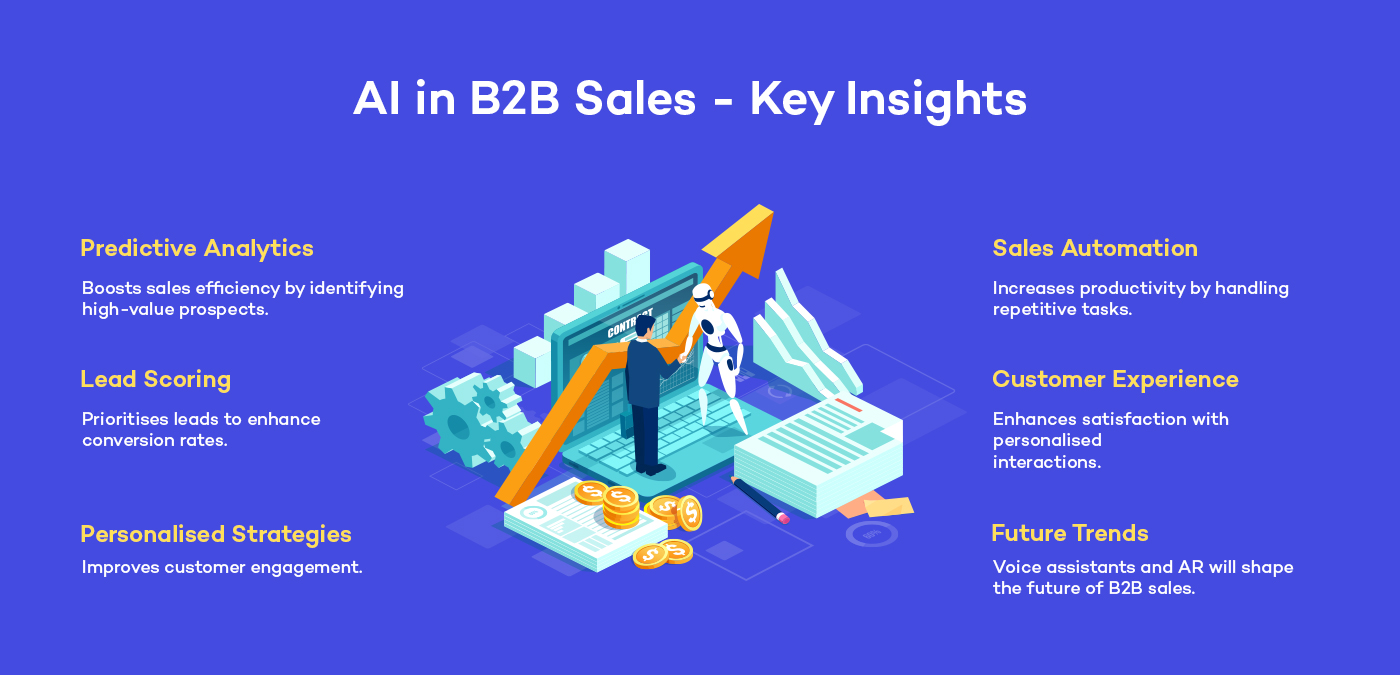
As organizations progressively look for efficiency, recognizing AI automation in the B2B context comes to be essential. AI automation entails using innovative innovations to streamline procedures, lower human treatment, and improve decision-making procedures. In the B2B landscape, this can manifest in different types, such as automating customer care interactions, handling supply chain logistics, or maximizing marketing projects. Firms can leverage AI to analyze large datasets quickly, enabling them to identify fads and understandings that educate tactical options. AI systems can incorporate seamlessly with existing modern technologies, providing a natural platform for taking care of service functions. This understanding lays the foundation for companies to check out just how AI can change their operations, improve efficiency, and ultimately foster lasting development in an affordable market.Secret Benefits of Applying AI Automation
Recognizing Processes Appropriate for Automation
Picking the Right AI Tools for Your Business
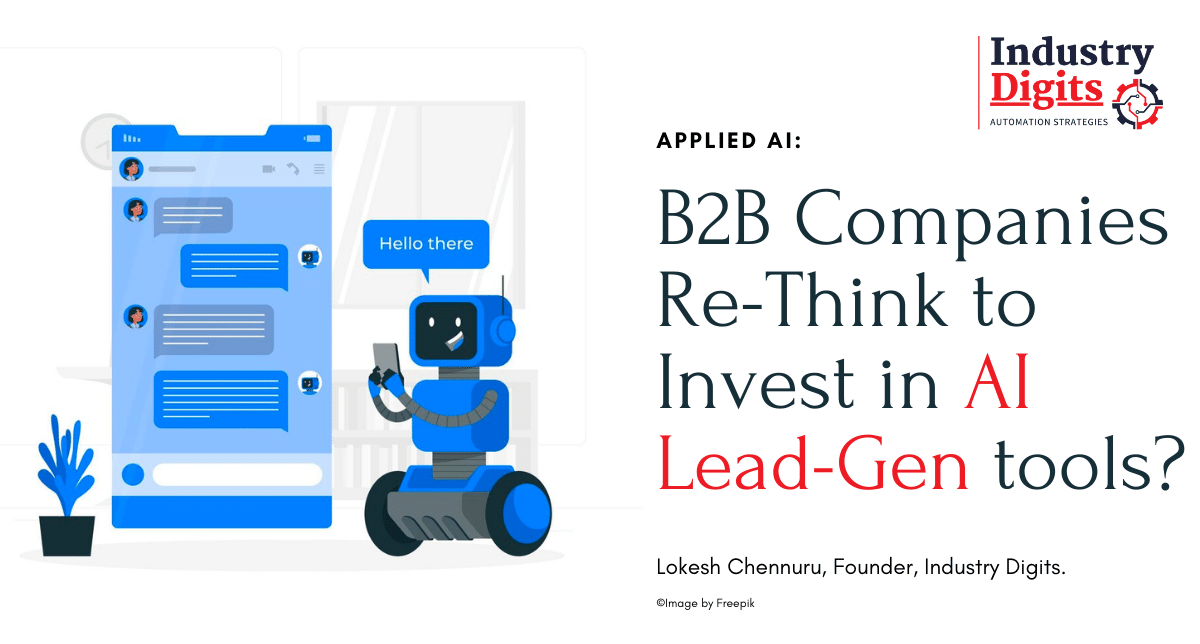
When B2B firms consider automating their processes, selecting the appropriate AI devices becomes important for attaining preferred end results. Firms ought to begin by assessing their one-of-a-kind demands and goals, making sure placement with business objectives (B2B Growth Consulting). Reviewing the assimilation, scalability, and versatility capabilities of prospective devices is vital, as these aspects establish long-term performance. Organizations ought to additionally think about user-friendliness and the level of support supplied by vendors, as these components can impact successful application. On top of that, evaluating customer evaluations and instance research studies can supply insights into exactly how specific AI services execute in real-world scenarios. By thoroughly choosing AI devices that fit their operational demands, B2B firms can boost performance and drive development while decreasing possible disruptionsGetting Over Difficulties in AI Adoption
B2B companies frequently encounter substantial difficulties in taking on AI modern technologies, especially problems associated with data quality and resistance to change administration. Poor information top quality can prevent the effectiveness of AI systems, while worker hesitation to embrace new procedures can delay application initiatives - AI Automation For B2B. Addressing these challenges is necessary for successful AI integration and maximizing its potential benefitsInformation Top Quality Issues
Guaranteeing high data high quality is vital for the successful adoption of AI innovations in business-to-business atmospheres. Inaccurate, insufficient, or obsolete data can drastically impede AI campaigns, bring about incorrect insights and poor decision-making. Companies often deal with difficulties such as information silos, inconsistencies across various resources, and a lack of standardized data styles. To get rid of these concerns, companies should buy data cleansing, combination, and governance procedures. Implementing robust information administration practices assures that the details fed into AI systems is dependable and pertinent. Moreover, fostering a culture of information quality understanding among employees can boost information accuracy over time. By attending to data quality problems, B2B business can release the complete capacity of AI automation, driving effectiveness and growth.Modification Management Resistance

Determining the Impact of AI Automation
Measuring the impact of AI automation in B2B business needs a clear understanding of crucial performance signs (KPIs) that straighten with service purposes. Reliable data analysis techniques are important for interpreting the results, while durable ROI assessment techniques help identify the monetary advantages of automation efforts. With each other, these parts offer a substantial structure for evaluating AI's payments to organizational success.Secret Performance Indicators
Trick efficiency signs (KPIs) function as necessary devices for B2B companies to assess the effectiveness of AI automation efforts. By developing clear metrics, companies can determine enhancements in operational effectiveness, price decrease, and profits growth straight attributable to automation. Common KPIs consist of cycle time reduction, error prices, consumer complete satisfaction scores, and worker performance degrees. These indicators provide insights into exactly how AI systems are maximizing procedures and enhancing total performance. Additionally, tracking KPIs enables firms to identify locations for more enhancement and to align AI automation efforts with strategic organization goals. Eventually, a distinct framework of KPIs guarantees that B2B companies can quantitatively assess the influence of AI automation on their operations and drive continual development.Information Evaluation Strategies
Reliable data analysis techniques play a vital role in examining the impact of AI automation within B2B companies. By utilizing analytical techniques, companies can identify fads and patterns in functional information, allowing them to evaluate the efficiency gets attained through automation. Methods such as regression evaluation and time collection forecasting provide insights into exactly how AI-driven procedures influence efficiency and decision-making. Additionally, information visualization tools can effectively connect findings to stakeholders, promoting informed tactical decisions. Artificial intelligence formulas can better enhance analysis by forecasting future results based upon historic information, offering workable understandings. Eventually, these methods enable B2B firms to gauge success and enhance their AI automation initiatives, ensuring placement with service objectives and improving overall performance.ROI Evaluation Strategies
Assessing the roi (ROI) of AI automation is essential for B2B companies seeking to recognize the monetary implications of their technical initiatives. Firms can utilize different ROI analysis approaches to evaluate the efficiency of AI implementations - AI Automation For B2B. One reliable strategy includes computing expense financial savings by contrasting operational expenses prior to and after automation (Minarik AI). In addition, gauging performance improvements through essential efficiency signs (KPIs) helps evaluate the advantages of AI. Consumer complete satisfaction metrics can likewise give insights into the influence of automation on service high quality. To ensure a complete assessment, companies must take into consideration both straight economic returns and abstract advantages, such as improved decision-making capacities and competitive benefit. This diverse evaluation allows B2B firms to make educated decisions relating to future investments in AI technologyFuture Fads in AI Automation for B2B Business
What innovations lie in advance for AI automation in B2B firms? Arising trends show a considerable shift in the direction of improved information analytics capabilities, allowing services to make more informed choices. Predictive analytics will become progressively crucial, allowing business to expect market modifications and customer requirements. In addition, the combination of AI with Internet of Things (IoT) technology is expected to simplify operations by giving real-time insights and automation of procedures. Companies will likewise focus on boosting client experiences through individualized click here advertising driven by AI algorithms. Innovations in all-natural language processing will certainly facilitate much better interaction in between organizations and clients. As these trends develop, B2B companies should adapt to take advantage of AI automation successfully, making sure continual development and affordable advantage.Often Asked Questions
What Industries Advantage the Many From AI Automation in B2B?
Production, financing, healthcare, and logistics industries profit one of the most from AI automation in B2B. These fields take advantage of AI to maximize processes, enhance decision-making, and boost total functional performance, driving significant development and technology.How Does AI Automation Influence Worker Roles and Responsibilities?
AI automation reshapes employee roles and responsibilities by enhancing repetitive jobs, making it possible for workers to concentrate on calculated efforts. This change cultivates ability development, boosts productivity, and motivates collaboration, eventually driving organizational growth and development.What Prevail Misunderstandings About AI Automation in B2B?
Usual misunderstandings concerning AI automation in B2B include concerns of work loss, ideas that AI can fully change human judgment, and ignoring the value of partnership between AI systems and staff members for optimal results.Just How Can Companies Make Certain Information Privacy With AI Automation?
Organizations can ensure data privacy with AI automation by implementing durable encryption methods, adhering to governing compliance, conducting regular audits, and training staff members on information taking care of techniques to reduce risks and secure delicate information.What Are the Costs Connected With Carrying Out AI Automation?
The expenses connected with applying AI automation consist of software program acquisition, infrastructure upgrades, training employees, recurring upkeep, and potential downtime throughout integration. Furthermore, companies might incur expenditures associated with information safety and security and compliance measures.Measuring the influence of AI automation in B2B companies calls for a clear understanding of vital performance indicators (KPIs) that straighten with company purposes. Key efficiency signs (KPIs) offer as essential tools for B2B companies to assess the effectiveness of AI automation campaigns. Reliable data analysis methods play an important duty in assessing the impact of AI automation within B2B firms. Examining the return on investment (ROI) of AI automation is essential for B2B firms looking for to comprehend the financial effects of their technological campaigns. What advancements lie in advance for AI automation in B2B firms?
Report this wiki page